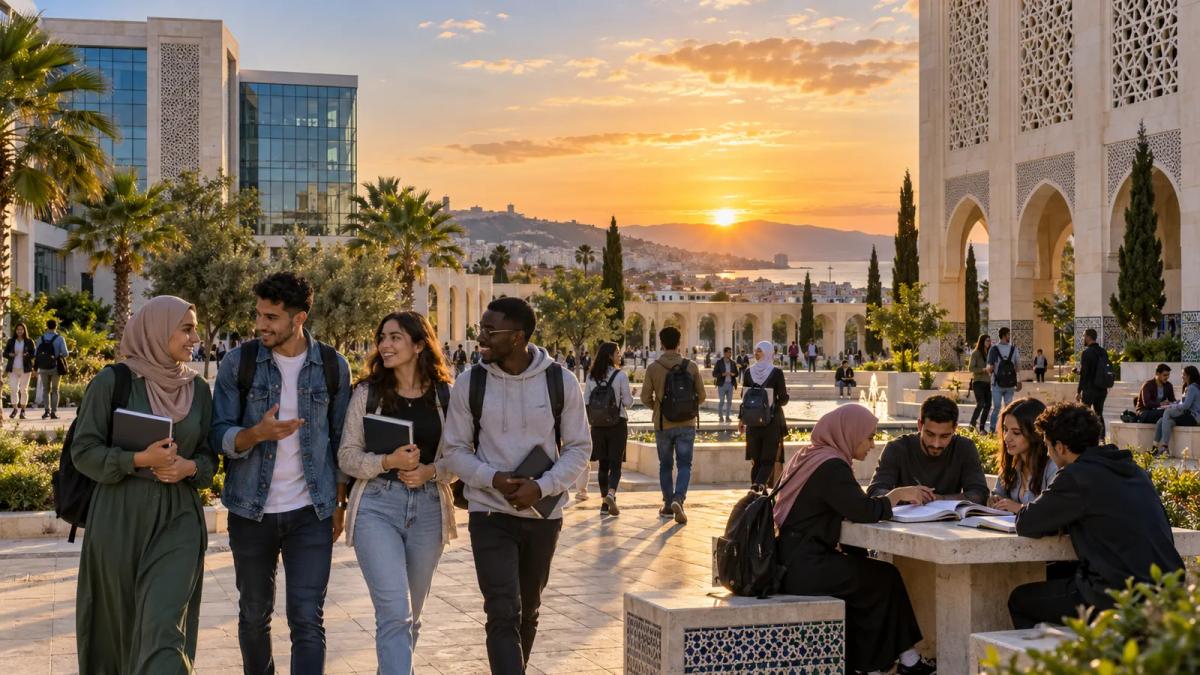
Top 10 Universities in Algeria for 2026: Rankings, Programs, and Student Guide
- Salma R.
- Updated 7 September 2026
- 9 min read
Table of contents5
🌍 Navigating Higher Education in Algeria: Your Comprehensive Guide
Choosing the right university is a pivotal decision for any student, especially when faced with a multitude of options. For those aspiring to pursue higher education in Algeria, finding an institution that offers quality education, exceptional academic programs, and a supportive research environment is key. This guide compiles the top 10 universities for studying in Algeria, based on the prestigious Times Higher Education (THE) 2026 ranking, offering essential insights into each institution.
Whether your interests lie in sciences, technology, medicine, or humanities, this list aims to illuminate pathways to a promising academic future in Algeria.
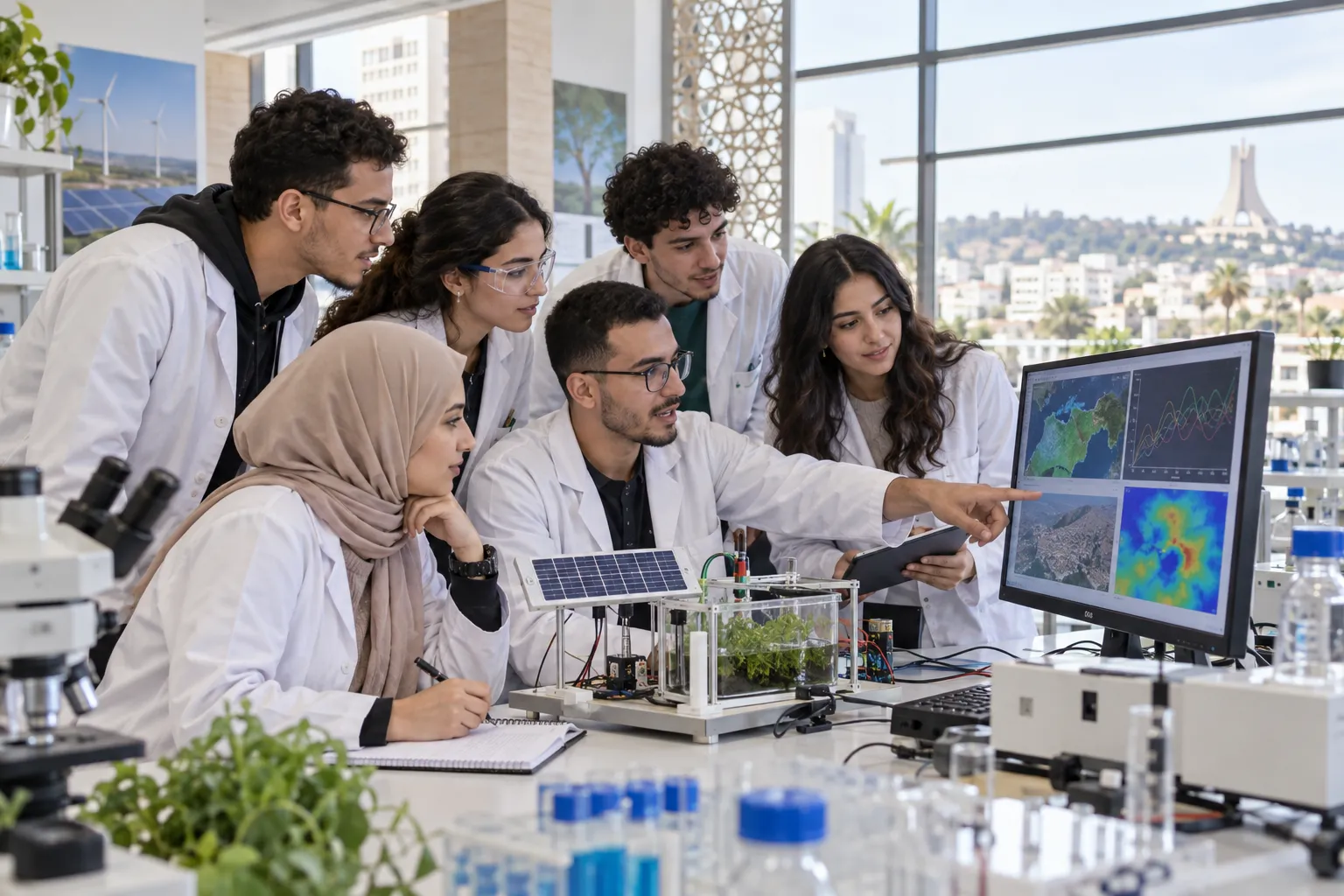
🎓 Algeria's Academic Elite: Top Universities for 2026
The following institutions represent the pinnacle of higher education in Algeria, as recognized by the Times Higher Education 2026 ranking. They are presented to help prospective students make informed decisions about their academic journey.
University of Djillali Liabes (Sidi Bel Abbès)
Badji Mokhtar University (Annaba)
University of Blida 1 (Saâd Dahlab)
Ferhat Abbas University Sétif 1
Hassiba Benbouali University (Chlef)
Ibn Khaldoun University (Tiaret)
Larbi Tebessi University
M'Hamed Bougara University (Boumerdès - UMBB)
Oran 1 University (Ahmed Ben Bella)
University of May 8, 1945 (Guelma)
🏫 University Spotlights: Detailed Profiles
1. University of Djillali Liabes (Sidi Bel Abbès)
Established officially on August 1, 1989, evolving from a university center founded in 1978, the University of Djillali Liabes is one of Algeria's most venerable institutions. It has undergone significant development in infrastructure and academic programs, positioning it at the forefront of Algerian universities in terms of ranking and scientific research.
Structure: Comprises 9 faculties covering scientific, technical, and humanities disciplines, plus a specialized Institute of Agricultural Sciences.
Student Body: Annually hosts over 29,629 students across Bachelor's, Master's, and PhD programs.
Staff: Supported by approximately 1,402 academic staff and over 1,265 administrative personnel.
Key Faculties: Exact Sciences, Technology, Electrical Engineering, Natural & Life Sciences, Medicine, Arts, Languages & Arts, Humanities & Social Sciences, Law & Political Sciences, Economic, Commercial & Management Sciences.
Ranking: Ranked 2026-2027 by Times Higher Education for 2026.
2. Badji Mokhtar University (Annaba)
Badji Mokhtar University, officially established in 1975 as a university center before becoming a full university, is a major institution in eastern Algeria. Strategically located near the coast and the Tunisian border, it serves a vast student population from the eastern and central regions.
Student Body: Over 40,000 students across all levels (Bachelor's, Master's, PhD).
Structure: Offers diverse education through 8 faculties, including Sciences, Technology, Medicine, Law, Arts, and Languages.
Staff: Supported by over 1,500 academic staff and about 1,000 administrative personnel.
Key Faculties: Earth Sciences, Law & Political Sciences, Technology, Economic, Commercial & Management Sciences, Sciences, Medicine, Humanities & Social Sciences, Arts & Languages.
Ranking: Ranked 1501+ by Times Higher Education for 2026. Also ranked 2nd nationally for scientific output and 1688 globally by University Ranking By Academic Performance (URAP) for 2026-2027.
3. University of Blida 1 (Saâd Dahlab)
Founded in 1981 and situated approximately 50 km southwest of Algiers, Blida 1 is a prominent scientific and technical university. Its proximity to major industrial and research institutions enhances training and employment opportunities for its students.
Student Body: Over 36,000 students distributed across 8 faculties and institutes.
Research Focus: Strong emphasis on scientific research and innovation, with over 40 accredited research laboratories. Participates in national (PRFU) and international programs (Horizon Europe, Erasmus+).
Key Faculties:
Natural & Life Sciences: Biotechnology & Agricultural Ecology, Food Sciences, Biology.
Technology: Electronics, Civil Engineering, Mechanical Engineering, Water & Environmental Sciences, Process Engineering, Renewable Energy, Automation & Electrical Engineering.
Sciences: Computer Science, Physics, Chemistry, Mathematics.
Medicine: Medicine, Pharmacy, Dentistry.
Ranking: Ranked 1501+ by Times Higher Education for 2026.
4. Ferhat Abbas University Sétif 1
Ferhat Abbas University Sétif 1, established in 1978 and gaining independent university status in 1989, is a leading institution in Algeria, particularly in exact sciences and scientific research. It has become a significant hub for students from eastern Algeria.
Student Body: Over 30,000 students across faculties of Sciences, Technology, Medicine, Engineering, Mathematics, and Computer Science.
Research Focus: Features about 45 research laboratories and is highly active in scientific publications and research projects.
Key Faculties/Institutes: Technology, Sciences, Natural & Life Sciences, Economic, Commercial & Management Sciences, Medicine, Institute of Optics & Precision Mechanics, Institute of Architecture & Earth Sciences, Institute of Materials Science & Technology.
5. Hassiba Benbouali University (Chlef)
Named after the national heroine Hassiba Benbouali, this university was founded in 1983. It has evolved into a comprehensive university with 8 faculties and 2 institutes, covering a wide range of specializations including natural sciences, technology, engineering, arts, economics, and law.
Student Body: Over 28,000 students.
Staff: Approximately 900 academic staff and over 700 administrative and technical personnel.
Research Focus: Active in national and international scientific projects, particularly in smart agriculture, environmental engineering, and applied social sciences.
Key Faculties/Institutes: Exact Sciences & Computer Science, Technology, Civil Engineering & Architecture, Natural & Life Sciences, Economic, Commercial & Management Sciences, Humanities & Social Sciences, Law & Political Sciences, Arts & Literature, Foreign Languages, Institute of Physical Education & Sports, Institute of Marine Sciences & Technologies.
6. Ibn Khaldoun University (Tiaret)
Ibn Khaldoun University in Tiaret was established as a university center in 2026 and became an independent university in 2026. Despite its relatively recent establishment, it has built a strong reputation through diverse specializations and continuous development.
Student Body: 28,365 students across various specializations.
Staff: Approximately 1,176 academic staff.
Research Focus: Features active research laboratories in sustainable agriculture, materials science, and environment.
Key Faculties/Institutes: Natural & Life Sciences, Mathematics & Computer Science, Applied Sciences, Material Sciences, Humanities & Social Sciences, Arts & Languages, Economic, Commercial & Management Sciences, Institute of Veterinary Sciences, Law & Political Sciences.
7. Larbi Tebessi University
Located in Tébessa, an eastern border city, Larbi Tebessi University was founded as a university center in 1985 and became an independent university in 2026. Despite its geographical distance from the capital, it shows remarkable growth in student numbers and educational quality.
Student Body: Over 24,000 students across Bachelor's, Master's, and PhD levels.
Structure: Comprises 7 faculties and 1 institute.
Research Focus: Active in applied sciences and human and social research, with a special focus on projects addressing local development issues in eastern and southeastern Algeria.
Key Faculties/Institutes: Arts & Languages, Science & Technology, Exact Sciences & Natural & Life Sciences, Law & Political Sciences, Humanities & Social Sciences, Economic, Commercial & Management Sciences, Institute of Sports & Physical Activities Sciences & Technologies.
8. M'Hamed Bougara University (Boumerdès - UMBB)
M'Hamed Bougara University (UMBB) in Boumerdès, established in 1998, is a leading technical university in Algeria, specializing primarily in engineering and technology. Located near the capital, it's a preferred destination for students from central Algeria.
Student Body: Over 27,000 students.
Specializations: Focused on Energy, Petrochemistry, and Materials Science.
Research & Partnerships: Highly involved in applied research projects and international collaborations, including Erasmus+ programs with European universities.
Key Faculties/Institutes: Sciences (South Campus), Technology (West Campus), Hydrocarbons & Chemistry (North Campus), Economics, Business & Management Sciences (North Campus), Law (Boudouaou Campus), Arts & Languages (Boudouaou Campus), Institute of Electrical & Electronic Engineering (Central Campus), Institute of Applied Sciences & Technology.
9. Oran 1 University (Ahmed Ben Bella)
Oran 1 University, established in 1965 and named after Algeria's first president, Ahmed Ben Bella, is one of the oldest and most prestigious universities in Algeria. Located in the heart of Oran, the country's second-largest city, it is known for its academic diversity and strong scientific research.
Student Body: Over 40,000 students, making it one of the largest universities in Algeria.
Structure: Comprises 5 faculties and 3 institutes, covering a wide range of fields from sciences and technology to social sciences, languages, medicine, and economics.
Research & Recognition: Contributes significantly to scientific publications and studies, consistently ranking high in national and international classifications like Webometrics and AD Scientific Index.
Key Faculties/Institutes: Medicine, Exact & Applied Sciences, Natural & Life Sciences, Arabic Literature & Arts, Humanities & Islamic Sciences, Institute of Applied Sciences & Technologies, Institute of Translation, Institute of Criminology.
10. University of May 8, 1945 (Guelma)
Established in 1986 as a university center in Guelma, eastern Algeria, this university bears a pivotal national date commemorating the sacrifices of the Algerian people. It holds strong symbolic significance.
Student Body: Approximately 24,000 students.
Structure: Comprises 7 faculties and 1 institute.
Prominent Faculties: Science & Technology, Mathematics & Computer Science, Economic, Commercial & Management Sciences, Law & Political Sciences, Natural & Life Sciences.
Research & Partnerships: Engages in scientific projects in areas like environment, agriculture, and sustainable economy. Fosters academic and research cooperation through partnerships with universities in Tunisia, France, and Italy.
❓ Frequently Asked Questions (FAQ)
Q1: What is the primary basis for this university ranking?
A1: This ranking is based on the Times Higher Education (THE) 2026 classification, a globally recognized authority in university performance assessment.
Q2: Which Algerian universities have the largest student populations?
A2: Universities like Badji Mokhtar University (Annaba) and Oran 1 University (Ahmed Ben Bella) each host over 40,000 students, while Blida 1 and Ferhat Abbas Sétif 1 also have over 30,000 students, making them among the largest.
Q3: Are these universities internationally recognized for research?
A3: Many of these universities, such as the University of Blida 1 and M'Hamed Bougara University, are highly active in scientific research, participating in international programs like Horizon Europe and Erasmus+, and are recognized in global indices like AD Scientific Index and Webometrics.
Q4: Can international students apply to these universities?
A4: While this guide focuses on domestic students, Algerian universities generally welcome international students. Prospective international students should consult the official websites of their chosen universities for specific admission requirements and procedures.
💡 Ready to Explore Your Future?
Choosing your academic path is a significant step. We encourage you to delve deeper into the offerings of these distinguished Algerian universities. Explore their official websites for detailed program information, admission criteria, and campus life. ElWijha is here to support your journey with comprehensive guidance on study, work, and immigration opportunities. Your future in Algeria's higher education awaits!
Tags
Next step
Turn this guide into your application
Prepare your CV, letters and documents with the El Wijha tools.