Technical College of Aviation Sciences: Programs, Innovations, and Career Opportunities
- Salma R.
- Updated 6 September 2026
- 10 min read
Table of contents1
✈️ The Unseen Architects of Flight: Technical Aviation Colleges
When an aircraft takes to the skies, it’s easy to credit the pilot and co-pilot alone for a successful journey. However, behind every seamless flight lies a dedicated team of highly trained professionals, from ground crew and maintenance technicians to avionics specialists. The entire aviation sector relies on this invisible force working behind the scenes. This raises a crucial question: who trains these individuals, and how are they prepared for such a detail-intensive industry? This is where the Technical College of Aviation Sciences takes center stage.
As the aviation sector rapidly embraces smart technologies, digital transformation, and artificial intelligence, these colleges continuously evolve to keep pace. This article delves into the pivotal role and programs of these institutions, how they adapt to global developments, what the future holds for their graduates, and why they are fundamental pillars of the entire aviation industry.
📋 The Pivotal Role of Technical Aviation Colleges in a Dynamic Industry
The aviation sector is undergoing rapid transformations and increasing technological advancements. Consequently, it has become imperative to qualify all personnel in this sector, equipping them with the necessary academic and practical education. This is precisely the role of Technical Colleges of Aviation Sciences, which have cemented their position as leading centers for technical training and aviation education.
These institutions are not merely places where students learn about aircraft; they are where future aviation professionals hone their skills through rigorous training, practical preparation, and a deep understanding of every detail pertinent to the aviation sector. Here’s a closer look at their multifaceted role:
Bridging Academia and Industry: A Practical Approach
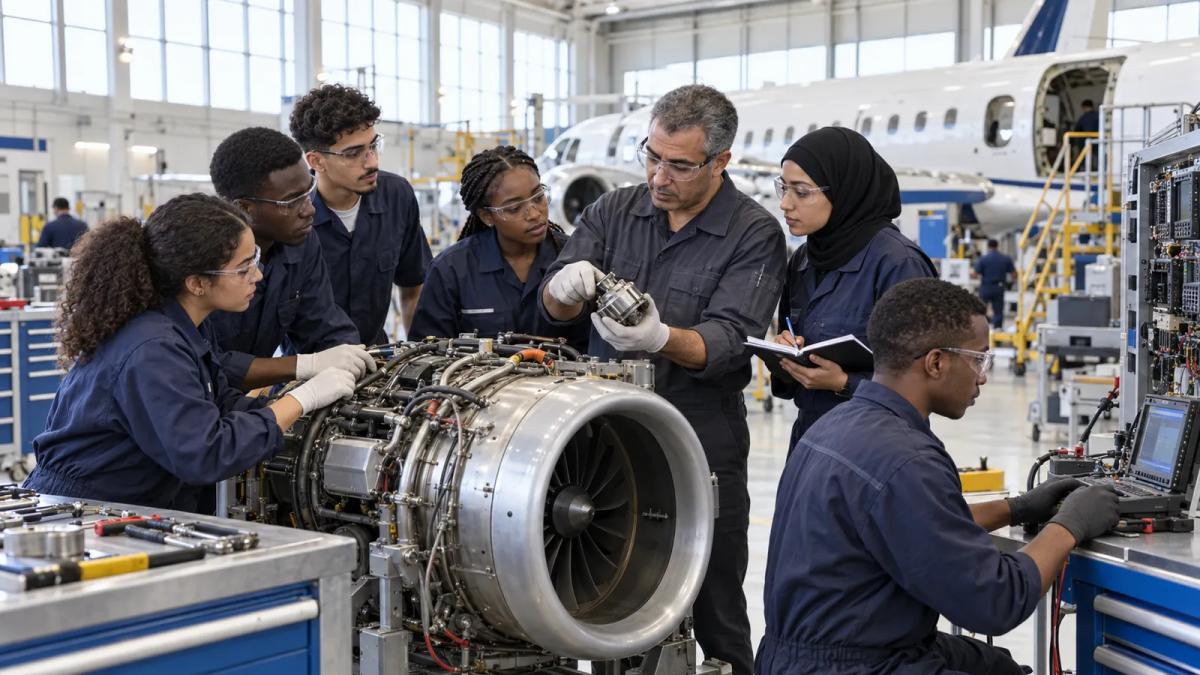
A distinctive feature of these colleges is their practical, industry-oriented approach. Unlike traditional academic institutions that heavily emphasize theoretical aspects, Technical Colleges of Aviation Sciences operate on the principle that education must directly lead to employment. To achieve this, they offer applied education across all program levels. Students don't just sit in lecture halls; they spend hours in workshops and state-of-the-art simulation labs, working on real aircraft components, performing diagnostics on avionics systems, and learning to troubleshoot and repair complex mechanical and electronic faults. This hands-on experience prepares them to step into aircraft hangars, maintenance bays, and control rooms from day one of their graduation.
Specialized Programs for Diverse Aviation Careers
These colleges offer a diverse range of programs specifically designed to meet the evolving needs of the aviation industry. Each pathway is developed in close coordination with aviation authorities, airlines, and military experts to ensure its relevance and accuracy. Common programs include:
Aircraft Maintenance Technology: Focuses on aircraft engines, airframes, and systems, preparing students to become certified maintenance technicians.
Avionics and Electronic Systems: Concentrates on the complex electronic and navigation systems that power modern aircraft.
Aerospace Ground Equipment (AGE): Teaches students how to maintain and operate essential ground support systems for aircraft servicing and preparation.
Unmanned Aircraft Systems (UAS): Focuses on the operation, maintenance, and control of drones and remotely piloted aircraft, a rapidly growing field in both civil and defense aviation.
Each of these programs integrates theoretical instruction with practical training, with some including internships with airlines, allowing students to gain real-world experience.
Serving Both Civil and Military Aviation
Technical Aviation Colleges play a dual role, serving both the civil aviation sector (commercial airlines, airport operations, private aviation) and the military sector, where aircraft maintenance and system safety are paramount. Graduates often find employment in:
National or commercial airlines
Airport authorities and maintenance organizations
Military bases and air force technical units
Aircraft manufacturing and aerospace engineering companies
Government bodies overseeing aviation safety and regulation
Upholding Global Aviation Standards
Aviation is a globally regulated industry, far from arbitrary. These colleges reflect this reality in their operations, aligning their curricula and training standards with international aviation regulations from bodies such as the European Union Aviation Safety Agency (EASA), the U.S. Federal Aviation Administration (FAA), and the International Civil Aviation Organization (ICAO). By adhering to these global standards, colleges ensure their graduates are internationally competitive and can find employment not only locally but also in the broader global aviation market.
Cultivating Essential Professional Skills
The aviation sector demands more than just technical skills; it requires discipline, attention to detail, a sense of responsibility, and the ability to perform under pressure. Recognizing this, colleges place significant emphasis on professional conduct, teamwork, a culture of safety, and the development of leadership skills. Many programs incorporate a military structure or ethical training to help students build the mindset necessary for success in this field.
🌍 Adapting to the Future: How Colleges Embrace Global Aviation Trends
With the rapid and unprecedented development in the global aviation and aerospace industries, Technical Colleges of Aviation Sciences actively work to adapt to new requirements, technologies, and innovations that shape the future of aviation, from the rise of unmanned systems to digital transformation. Here are the key ways they demonstrate their commitment to staying current:
The Rise of Unmanned Aircraft Systems (UAS)
Drone technologies have expanded beyond their original military applications, now becoming essential in sectors like agriculture, logistics, environmental science, and public safety. In response, these colleges have heavily focused on UAS education. Students learn to operate drones, maintain their components, manage their navigation systems, and utilize aerial data in real-world applications. This training equips students with versatile and advanced skill sets combining technical and practical knowledge, qualifying them for careers in both traditional aviation and emerging drone-related fields.
Pioneering Green Aviation and Sustainability
The aviation sector faces increasing pressure to reduce its environmental impact, making green aviation a top global priority. Green aviation simply refers to flight with no negative environmental impact. In light of this, colleges integrate sustainability into their educational mission. Students now receive critical training in fuel efficiency, emissions reduction, and maintenance practices that support a cleaner, more sustainable industry. Beyond technical knowledge, colleges foster a culture of environmental responsibility, encouraging students to understand ecological issues. They also seek collaboration with research centers and partners interested in developing alternative fuels and energy-saving technologies, ensuring graduates are ready to contribute to sustainability goals.
Navigating Digital Transformation in Aviation Education
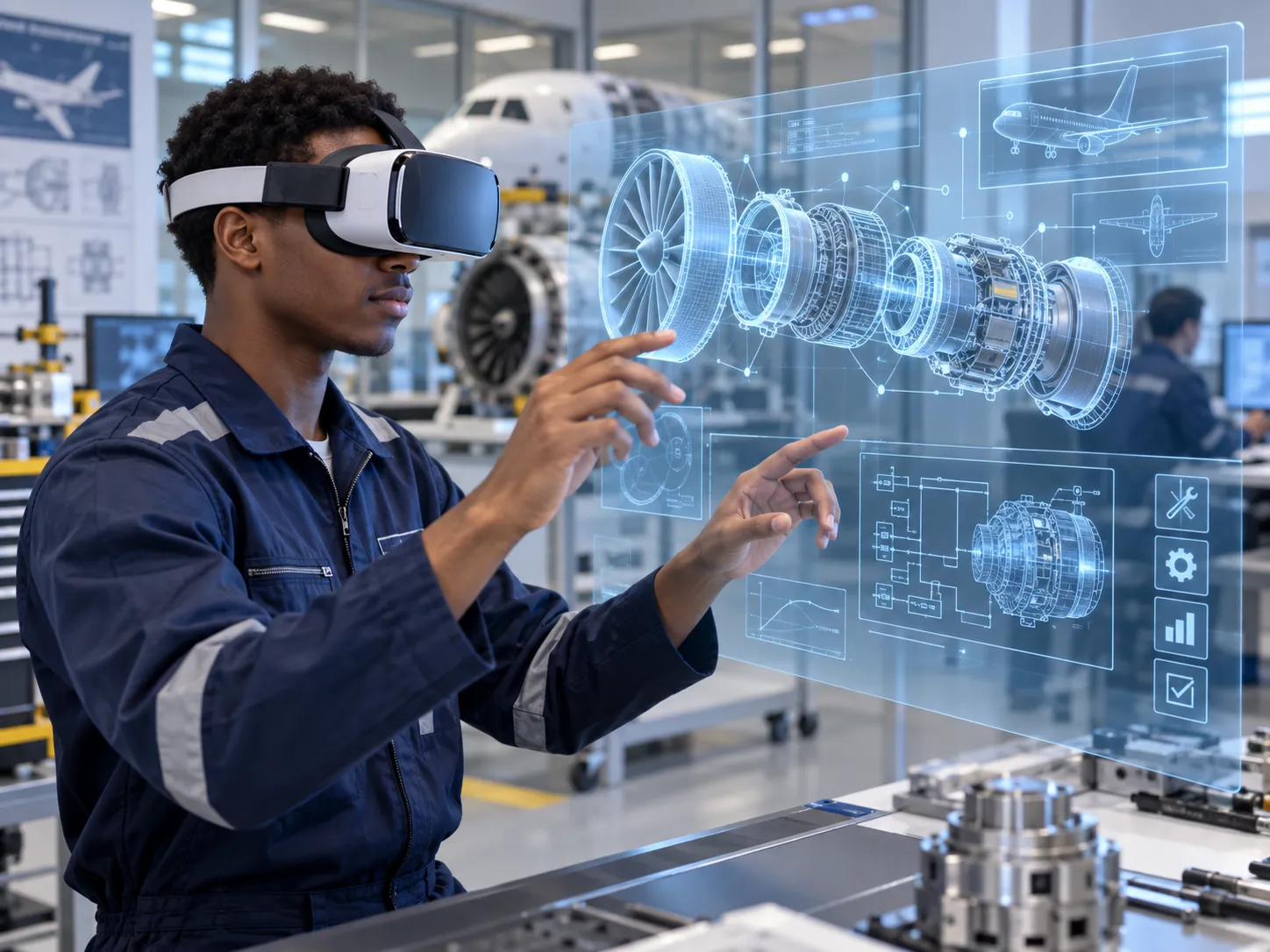
Aviation is no longer just about mechanics and hardware; it has become a profoundly digital industry where data, automation, and software systems play a central role. Technical Colleges of Aviation Sciences have responded by integrating digital skills into their training programs. Classrooms and workshops are undergoing radical transformations thanks to simulation technologies, Virtual Reality (VR) environments, and smart maintenance systems. For example, students learn to interpret data from aircraft sensors, manage digital maintenance records, and use advanced diagnostic tools to predict and resolve issues before they occur. Thus, these colleges produce a new generation of aviation specialists with equal proficiency in technical operations and digital tools, making them highly qualified for the aviation sector.
Global Alignment and International Competitiveness
Colleges ensure their programs align with the guidelines of organizations like ICAO, EASA, and FAA. They actively seek opportunities to participate in global training initiatives, aviation summits, and technical partnerships. These connections guarantee that students receive internationally recognized education, empowering them to compete in global markets.
💡 Cutting-Edge Technologies Integrated into Aviation Training
In the rapidly evolving world of aviation, keeping pace with technology is no longer optional—it's a necessity. Aircraft are becoming smarter, systems more complex, and safety standards more stringent. In response, Technical Colleges of Aviation Sciences are undergoing a radical transformation in their teaching and training methods, moving away from traditional theory-based education to embrace modern approaches that reflect the advanced technology present in today's aviation industry. Here are the key technological advancements these colleges have implemented to ensure graduates are highly qualified:
Artificial Intelligence in Aviation Systems
Artificial Intelligence (AI) has significantly transformed aviation systems, from predictive maintenance and fault detection to flight data analysis and autonomous operations. Consequently, colleges have begun integrating AI concepts into their training modules. Students are introduced to how AI is used in aviation maintenance management systems, flight control algorithms, and even in the development of next-generation air traffic control networks. Through case studies and practical projects, students learn to interact with AI-powered tools that are now integral to the aviation work environment. They are trained to interpret data provided by these tools, make informed decisions based on them, and support AI-driven operations such as condition-based monitoring and smart diagnostics.
Advanced Simulation and Virtual Reality Training
The integration of advanced simulation technologies is one of the most significant developments in aviation education. Students at these colleges now train using realistic flight simulators and virtual reality tools that precisely mimic real-world scenarios. These simulation systems allow students to practice tasks such as diagnosing engine malfunctions, operating avionics systems, or responding to emergencies—all without the risks or costs associated with working on real aircraft. This approach not only enhances safety but also improves the quality of learning, turning errors into valuable lessons rather than costly mistakes. Through repeated practice, students gain confidence and receive immediate feedback.
Modernizing Aircraft Maintenance Practices
Historically, aircraft maintenance was performed using simple tools. Today, it is a complex process involving electronics, software, digital interfaces, and highly specialized equipment. Technical Colleges of Aviation Sciences recognize this shift and have evolved their maintenance training accordingly. Students now learn to handle advanced diagnostic devices, interpret digital maintenance reports, and work on modern aircraft equipped with integrated electronic systems. Training includes exposure to the latest developments in composite materials, fly-by-wire technology, modular components, and system integration. Additionally, students are introduced to the principles of predictive maintenance, an approach that uses data and sensors to anticipate equipment failures before they occur, thereby reducing downtime and increasing aircraft reliability.
🎓 Career Horizons for Technical Aviation Graduates
One of the most significant advantages of earning a certificate from a Technical College of Aviation Sciences is the versatility of its graduates. These colleges blend mechanical, electronic, digital, and operational knowledge, ensuring graduates are not confined to a single career path. Instead, they can expand into related sectors such as aircraft manufacturing, aviation safety regulation, drone technology, and even research and development.
Consequently, graduating from a Technical College of Aviation Sciences opens up numerous career opportunities, not just in local markets but on an increasingly global scale. As the aviation sector continues to grow and diversify, the demand for highly skilled technicians, specialists, and support staff remains high, whether in commercial aviation, private airlines, or military air services.
❓ FAQ: Your Questions About Technical Aviation Colleges Answered
What types of job opportunities are available for graduates?
Graduates can pursue diverse roles such as aircraft maintenance technicians, avionics specialists, aerospace ground equipment operators, drone pilots/technicians, and positions in aviation safety, manufacturing, or research and development in both civil and military sectors.
Are the qualifications from these colleges recognized internationally?
Yes, these colleges often align their curricula with international aviation regulations from bodies like EASA, FAA, and ICAO, ensuring their graduates are globally competitive and their qualifications are recognized worldwide.
How do these colleges differ from traditional universities?
Technical aviation colleges emphasize a practical, hands-on, and industry-oriented approach, focusing heavily on applied education, workshops, and simulation labs to prepare students directly for employment, unlike traditional universities which may prioritize theoretical academic study.
Do these programs include practical training or internships?
Absolutely. Most programs integrate theoretical instruction with extensive practical training, including hours in workshops and simulation labs, and some even offer internships with airlines to provide real-world experience.
Ready to explore a career that takes you to new heights? Discover more about aviation education and related opportunities on ElWijha. Our platform provides comprehensive guidance for your study, work, and immigration journey.
Tags
Next step
Turn this guide into your application
Prepare your CV, letters and documents with the El Wijha tools.