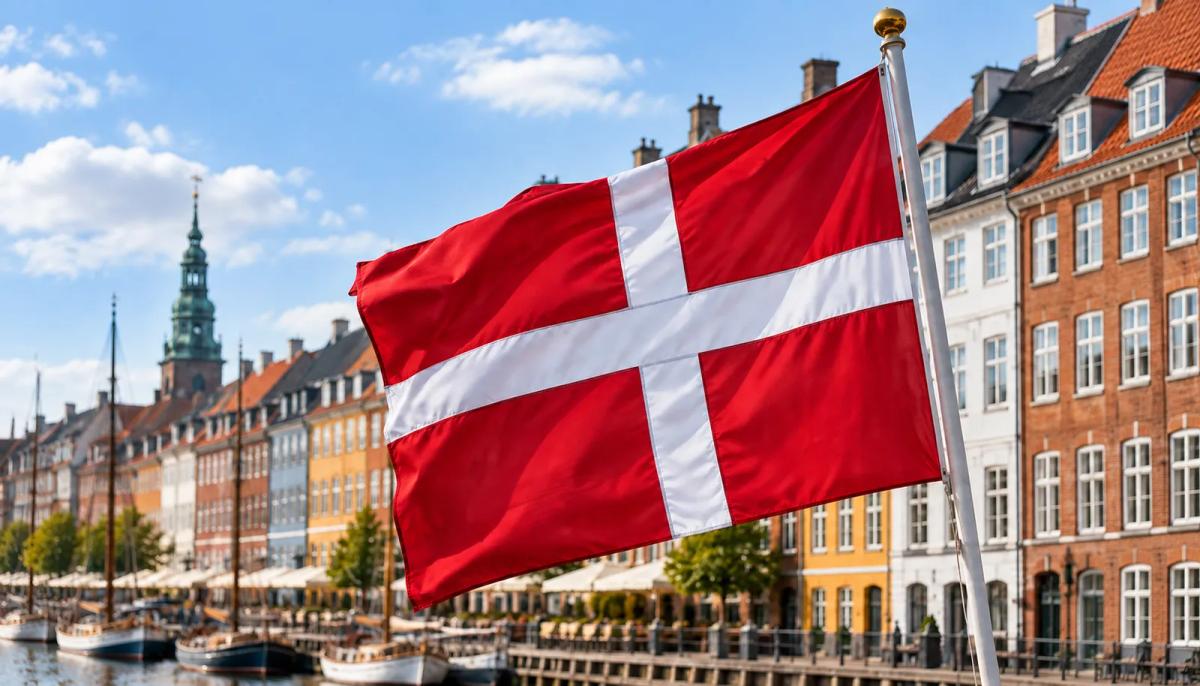
Studying in Denmark for International Students: A Guide to Scholarships, Residence, and Work
- chahrazed M.
- Updated 20 September 2026
- 4 min read
Table of contents4
Your Practical Guide to Studying and Living in Denmark
Thinking about studying in Denmark and don't know where to start? Are there suitable scholarships? How much will living cost? What are the conditions for residence and work during studies? In this guide, you'll find focused answers to the most important questions for international students, from funding opportunities and required procedures to daily life after arrival, with practical information to help you avoid mistakes and prepare with confidence before applying.

What Scholarship Opportunities are Available in Denmark?🎓
Government scholarships, Erasmus Mundus scholarships, and exchange programs are available. Eligibility and coverage vary depending on the program and the student's nationality.
What is the Erasmus Mundus Scholarship?
This is a scholarship for joint master's programs between European universities, available to international students, including Algerians. Coverage and conditions vary by program, so it's essential to check the official catalog.
Who can benefit from Danish Government Scholarships?
These target a limited number of outstanding students from countries outside the European Union, the European Economic Area, and Switzerland. Algerian students can apply.
What are the basic eligibility criteria?
- The applicant must be a citizen of a country outside the EU, EEA, or Switzerland.
- They must have been accepted into a full higher education program in Denmark.
- They must be eligible for a temporary residence permit for study purposes.
What can the scholarship cover?
- Full or partial tuition fee waiver.
- Financial aid to cover living expenses.
- A combination of tuition fee waiver and living cost support.
These scholarships are managed by the universities, so the value, conditions, and selection method vary. Check the scholarship page of your chosen university.
Are there student exchange programs?
Yes. Students can benefit from Erasmus+ or Nordplus if their university has an exchange agreement with a Danish institution. Inquire with your university about available agreements.
How to Get a Residence Permit to Study in Denmark✅
After receiving admission to a full-time accredited educational program, a non-EU student must apply for a residence permit for study purposes with SIRI, the Danish Agency for International Recruitment and Integration.
What are the basic requirements for the application?
Letter of admission, valid passport, proof of financial means, payment of application fees, and completion of Form ST1, which is the application form for a student residence permit in Denmark, partly completed by the student and partly by the university. Biometric data registration may also be required, along with translations of some documents.
Can a student work while studying?
Yes. In approved government programs, students are typically allowed to work up to 90 hours per month from September to May, and full-time during June, July, and August.
Understanding the Cost of Living and Taxes💰
While Denmark offers a high quality of life, it's essential to budget for living expenses and understand the tax system.
Estimated Living Costs (Monthly):
- Rent: One-bedroom apartment: DKK 7,000-12,000 (city center), DKK 5,000-8,000 (outside city center).
- Food and Drink: Supermarket prices are higher than in many countries. Meal at a mid-range restaurant for two: around DKK 500.
- Transportation: Monthly public transport pass: DKK 375-600. Denmark is very bike-friendly.
- Utilities (85 m² apartment): DKK 1,000-1,500 (electricity, heating, water, etc.).
Real estate prices can be high and competitive, especially in urban areas, with restrictions for foreigners wishing to purchase property.
Taxes in Denmark
Denmark has a progressive income tax system, with relatively high tax rates starting at around 38% and increasing with income. However, a special tax scheme for foreigners offers a flat rate of 32.84% for up to 7 years (excluding labor market contributions).
The country has a comprehensive social security system, funded by taxes, covering healthcare, unemployment benefits, and many perks, such as significant reductions in childcare costs.
The Danish Job Market and Work Culture🌍
Denmark's strong economy, advanced work environments, and high quality of life make it an attractive place for employment. The country is a leader in green technology, pharmaceuticals, IT, life sciences, and engineering.
Key Sectors and Skills
The job market highly values skills in sustainability and technology. Key job search portals include Jobindex.dk, Workindenmark.dk, and LinkedIn.
Language and Integration
While many Danes speak fluent English, learning Danish can significantly improve job prospects and social integration. Many companies offer Danish language training as part of their employment packages.
Work Culture
Danish work culture typically involves a 37-hour work week with flexibility. While the atmosphere is often informal,
Tags
Next step
Turn this guide into your application
Prepare your CV, letters and documents with the El Wijha tools.