Your Guide to Germany: Studying, Working, and Settling In
- Meriem M.
- Updated 6 October 2026
- 7 min read
Table of contents9
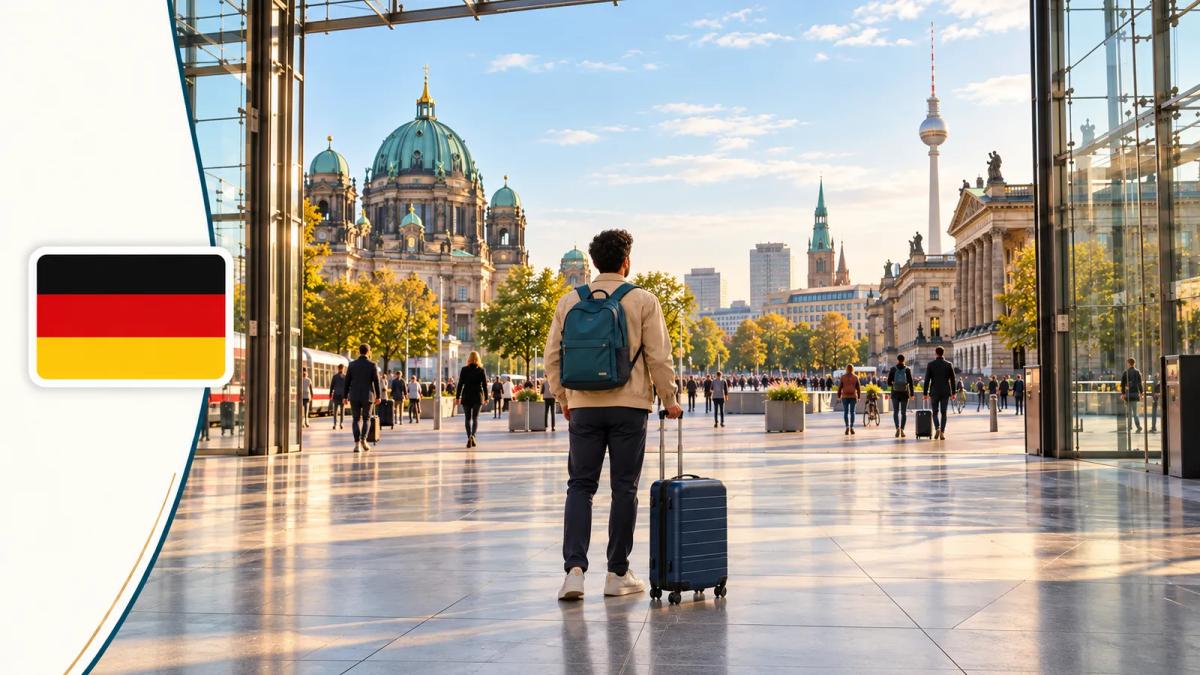
Are you thinking about studying, working or settling in Germany, but unsure where to begin? This guide from ElWijha helps you understand the available pathways and their main requirements, as well as the aspects of everyday life to consider before making your decision.
🧭 Which pathway should I choose? Do I need a visa?
First, identify your purpose: university studies, vocational training, employment, starting a business, joining family or visiting. Requirements vary depending on your nationality, country of residence, reason for travelling and length of stay.
Short visits generally follow Schengen rules, with a maximum of 90 days in any 180-day period across the entire Schengen Area, while respecting the duration authorised by your visa. Studying, working and long-term stays generally require an appropriate national visa for those who are not exempt, followed by the necessary residence formalities.
A tourist visa does not automatically give you the right to work or settle in Germany. To identify the required category, consult Germany’s Federal Foreign Office and the consulate responsible for your country of residence.
🎓 How do I start my studies? Are there tuition fees and scholarships?
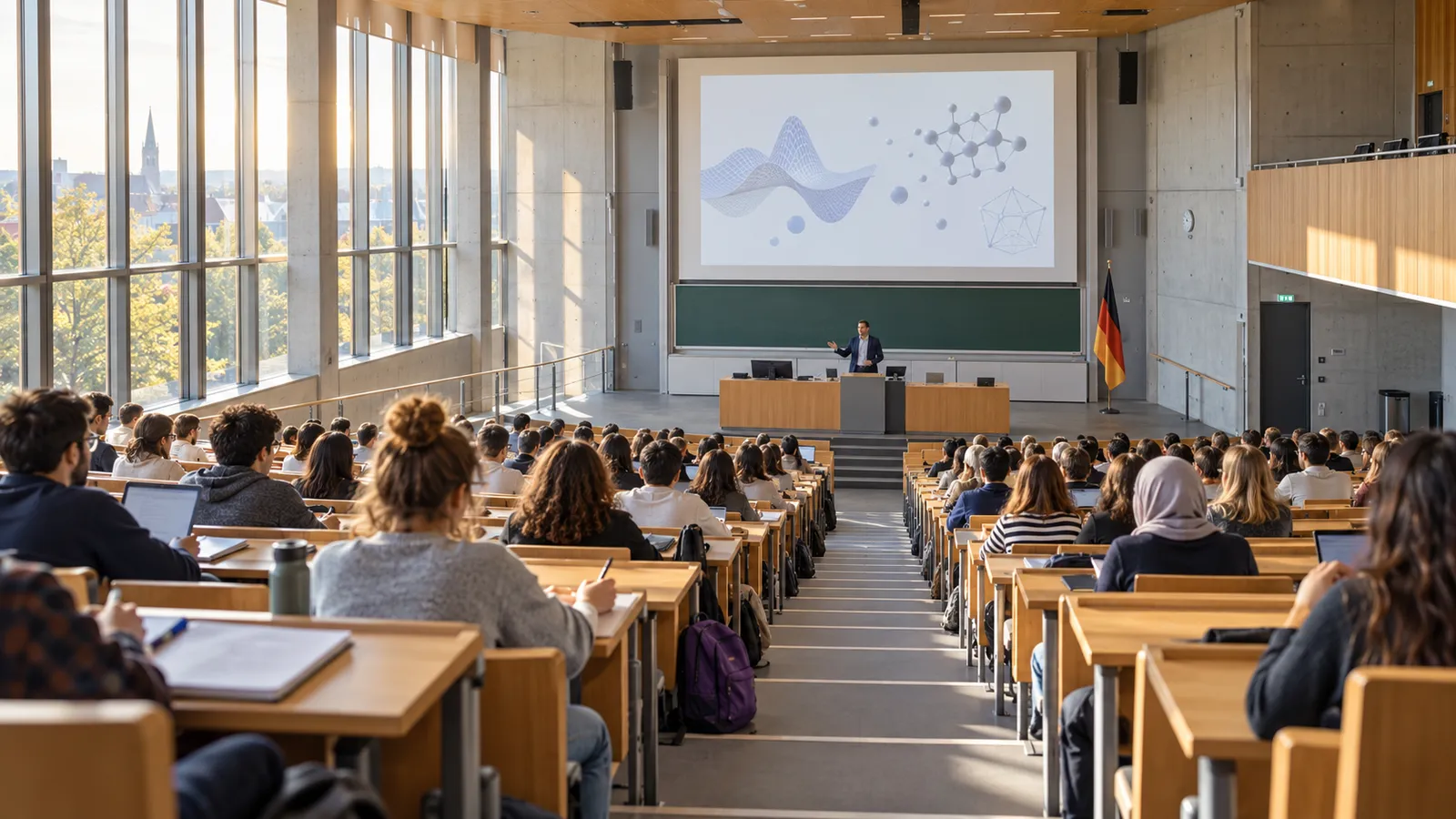
First, check whether your qualification allows direct admission or requires attendance at a university preparatory college (Studienkolleg). You apply directly to the university or, if it uses the service, through uni-assist, an organisation that checks and evaluates international applicants’ documents for participating universities. Admission requirements and deadlines vary between programmes and universities.
Some programmes are taught in German and others in English, each with its own language requirements. Do not assume that the same language certificate is accepted by every institution.
Public higher education institutions generally do not charge tuition fees for bachelor’s degrees and most master’s programmes. However, exceptions exist, including fees for certain international students in Baden-Württemberg and at some institutions in Bavaria. Private institutions and certain programmes may also charge tuition fees. A semester contribution separate from tuition fees must also be considered.
To find funding, the scholarship database of the German Academic Exchange Service (DAAD) lists opportunities that vary by nationality, level of study and subject. University admission does not guarantee a scholarship. For a study residence permit, you must show that you can cover your living expenses, for example through a blocked account, an eligible scholarship or a formal declaration of commitment. Money in a blocked account is intended for your living expenses; it is not a fee paid to the university.
🛠️ Is vocational training a suitable option for me?
Ausbildung means vocational training. It includes dual training, which combines learning at a vocational school with practical experience at a company and usually provides a training allowance. Funding arrangements for school-based training differ.
To obtain a residence permit for training, you need a suitable training place, sufficient financial resources and the required language skills. German at B1 level is generally required, although the occupation or institution may require a higher level. If your training allowance does not cover the required minimum living costs, you may need to provide evidence of additional funds.
💼 How can I find a job? Can I travel to Germany to look for one?
You can search for a job from your home country and use the services of the Federal Employment Agency. Once you receive a suitable offer, you choose the residence pathway that matches your qualification, the position and the applicable requirements.
Options include a residence permit for qualified professionals and the EU Blue Card, which has qualification, employment and salary requirements, with special rules for certain cases. An employment contract alone does not guarantee a visa.
The Opportunity Card — Chancenkarte may allow you to travel to Germany to look for work if you meet its requirements. One route is based on a qualification recognised in Germany, while another uses a points system. Both require proof that you can support yourself.
The job search card is initially issued for up to one year. It permits secondary employment totalling up to 20 hours per week, as well as job trials lasting up to two weeks per employer, subject to the applicable conditions. After finding a job, you must apply for the appropriate residence permit; the change is not automatic.
📜 Do I need to have my qualification recognised?
University admission and recognition of a qualification for employment are different matters. In regulated professions, such as medicine and nursing, you must meet recognition and professional licensing requirements. In other professions, the need for an assessment depends on the job and your residence pathway.
The Recognition in Germany portal helps you identify the responsible authority and the requirements for your qualification and profession.
🚀 Can I start a business or work independently?
There is a pathway for starting a business and self-employment, but the requirements for a commercial business differ from those for freelance professions. Funding, the nature and viability of the activity, and any necessary licences are assessed.
Registering a company does not automatically grant a right of residence. Working online also does not remove the need to check your right to carry out the activity and your tax obligations.
👨👩👧 Can I move with my family?
Spouses and unmarried minor children may be able to join a person living in Germany. Requirements depend on that person’s residence status and the family relationship. They may include language skills, financial resources and housing, with exemptions for certain categories.
School-age children are subject to compulsory schooling, and most public schools are free. Education systems vary between federal states, so check enrolment procedures and language support with the local education authority.
🏠 What should I prepare for living in Germany and after arrival?
Plan a budget covering rent, the security deposit, food, transport, insurance, bills and initial settling-in expenses. Costs vary by city, accommodation and family size.
In housing advertisements, Kaltmiete means the basic rent, while Warmmiete includes certain additional charges, usually water and heating. Check what the contract covers, particularly electricity and internet.
Health insurance is compulsory. Statutory and private insurance have different eligibility requirements and coverage. Make sure you have suitable coverage from your arrival; temporary travel insurance does not necessarily replace the insurance required for your stay.
After arrival, key steps include registering your address, known as Anmeldung, arranging insurance and a bank account, and completing residence permit formalities with the foreigners authority, Ausländerbehörde, depending on your situation. Registering your address does not grant a right of residence.
For employees, gross salary, Brutto, is the amount before taxes and social security contributions are deducted. Net salary, Netto, is the amount received after these deductions. There is no single deduction rate that applies to everyone.
❓ Frequently asked questions
Can I work during my studies and stay after graduation?
A university study residence permit allows students from outside the European Union to work up to 140 full days or 280 half days per year. There is also the option of working up to 20 hours per week under the applicable calculation rules, with special provisions for certain activities.
After completing your studies in Germany, you can apply for a residence permit to look for qualified employment for up to 18 months, provided you meet the requirements.
Is English enough?
It may be sufficient for certain programmes and jobs, but the institution’s or profession’s requirements are decisive. German broadens your employment opportunities and makes everyday life easier. Specific levels are required in many professions and residence pathways.
When can I obtain permanent residence or citizenship?
Permanent residence requirements and qualifying periods vary depending on your residence status. They may include language skills, financial resources and the required contributions.
Naturalisation under the general pathway is usually possible after five years of lawful habitual residence, provided you hold an eligible residence status and meet the other requirements. A study residence permit alone is not sufficient for this pathway at the time of application. The accelerated three-year naturalisation pathway for exceptional integration was abolished with effect from 30 October 2025.
Tags
Next step
Turn this guide into your application
Prepare your CV, letters and documents with the El Wijha tools.