
Living in the Netherlands: Study, Work and Residence Options
Requirements, dates and fees can change. Confirm current details with the official institution or authority.
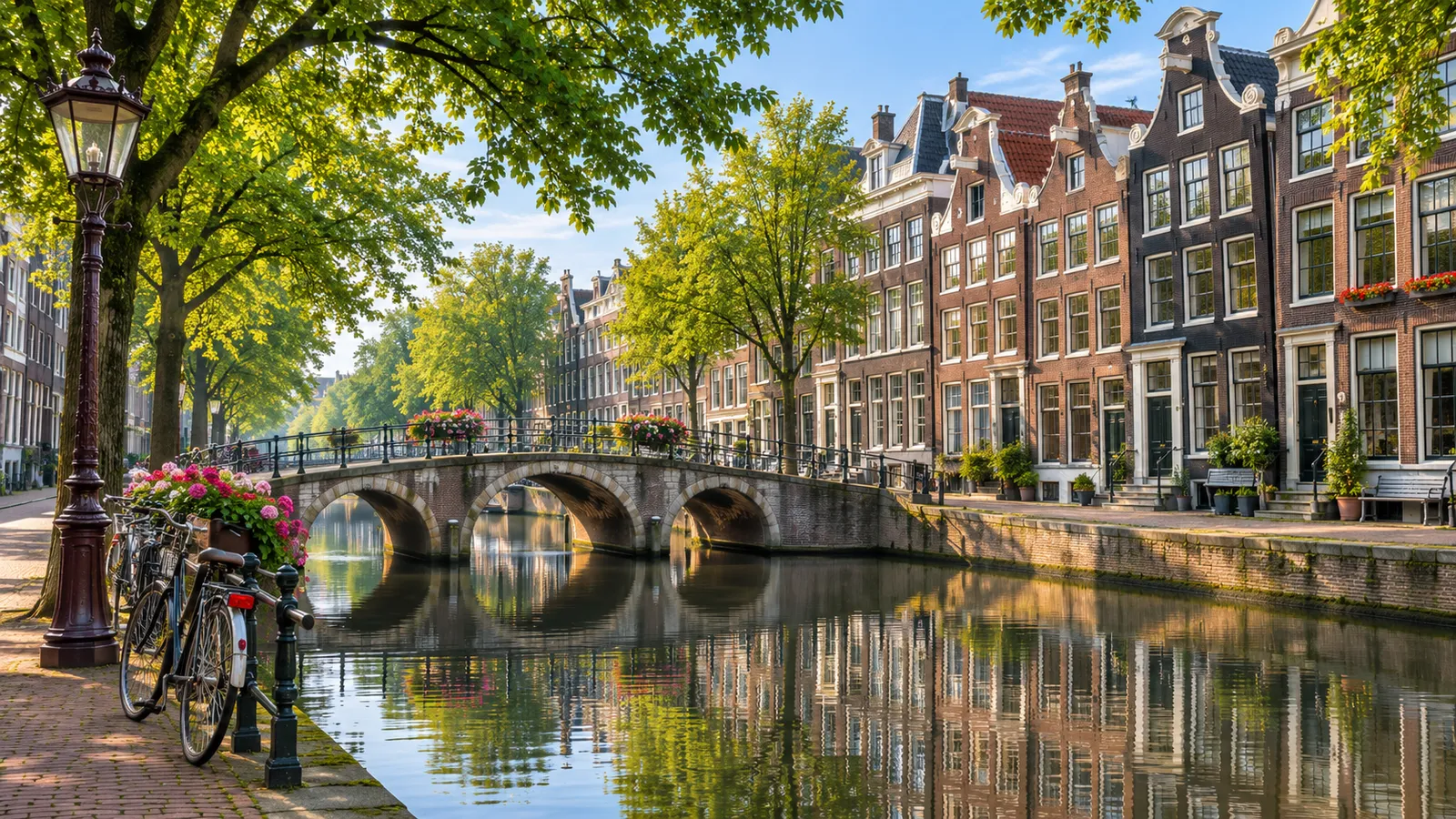
The Netherlands offers opportunities to study and work, but moving there requires choosing the appropriate residence route and planning your budget and accommodation. Requirements vary according to nationality, purpose of stay and personal circumstances.
In this article5
1. Study and Scholarships
The process starts with admission to an accredited programme and meeting its language and financial requirements. For a higher education student residence permit, an institution recognised by the Dutch immigration service submits the application on the student’s behalf.
Students are generally required to earn at least 50% of the credits for each academic year. Valid reasons may be considered when academic progress is insufficient.
The NL Scholarship is available to certain bachelor’s and master’s students from outside the European Economic Area. It provides €5,000 in the first year. This is a partial contribution and does not cover all study costs.
2. Work and Residence
The permits required depend on the job and residence status. The highly skilled migrant route requires, among other conditions, an employer recognised by the immigration service and compliance with salary requirements.
Some eligible graduates and researchers can apply for a one-year orientation residence permit to look for work within three years of completing qualifying studies or research.
Starting a business also requires meeting the relevant residence and self-employment conditions. Registering a company alone is insufficient.
3. Housing and Living Costs
Student living expenses are estimated at €1,000 to €1,500 per month, including accommodation and everyday costs. Tuition fees, travel and initial setup expenses must be budgeted separately.
Actual spending depends on the city and lifestyle. This estimate is separate from the financial resources required for a residence permit. Start looking for housing early, check the rental agreement and confirm that you can register the address with the municipality.
4. Settling In
If you will stay for more than four months, you must register with your municipality within five days of arrival to obtain a citizen service number, known as a BSN.
Health insurance requirements depend on your circumstances. Different rules apply to students who only study and those who start paid employment.
Family reunification has specific requirements concerning matters such as the family relationship, income and the residence status of the person living in the Netherlands.
5. Frequently Asked Questions
Can students work while studying?
Yes. For holders of the relevant higher education student residence permit, the employer must obtain a work permit. Students must choose between working up to 16 hours per week or working full-time during June, July and August.
Can a short-stay visa be used to settle in the Netherlands?
A short-stay Schengen visa allows stays of up to 90 days in any 180-day period. It does not, by itself, grant permission to work or live in the country long-term.
Is permanent residence automatic after five years?
No. Additional requirements apply, including conditions relating to residence status, income and civic integration where applicable. Dutch citizenship has a separate application process and its own requirements.