
Is Finland Right for You? Explore Your Opportunities and What It Takes to Live There
- Meriem M.
- Updated 9 October 2026
- 6 min read
Table of contents11
Choosing Finland starts with understanding the opportunities that match your qualifications and budget. ElWijha provides practical information about studying, working, residence and everyday life, so you know what you need before travelling.
🧭 Which Language Do You Need?
Finnish and Swedish are the two official languages. Degree programmes and some jobs are available in English, but requirements vary by institution and profession. Learning one of the local languages helps you integrate and broadens your employment options.
🛂 Which Route Should You Choose for Entry and Residence?
Requirements depend on your nationality and purpose of travel. Short visits are generally limited to 90 days within any 180-day period across the entire Schengen Area, while respecting the length of stay authorised by your visa.
Long-term studies, employment and joining family each have separate requirements. A first residence permit application is usually submitted from outside Finland, with identity verification at the relevant Finnish diplomatic mission.
🎓 How Do You Apply to Study?
Find your programme on Finland’s study admissions portal (Studyinfo), then check the required documents, language requirements, tests and deadlines on the programme page.
For a bachelor’s degree, you need an upper secondary qualification that gives access to higher education in your home country. For a master’s degree, an appropriate bachelor’s degree is required. Master’s programmes at universities of applied sciences also generally require two years of relevant work experience.
Application procedures and deadlines vary by programme. Once admitted, confirm your place by the stated deadline: you may accept only one study place in Finnish higher education per semester.
💰 How Much Are Tuition Fees, and What Scholarships Are Available?
Tuition fees for English-taught bachelor’s and master’s programmes typically range from €9,000 to €20,000 per year for students from outside the European Union, the European Economic Area and Switzerland, with exemptions depending on their circumstances. Some programmes may charge higher or lower fees. An application fee of €100 applies to applicants subject to this requirement.
Degree programmes taught in Finnish or Swedish, as well as doctoral programmes, do not charge tuition fees. Universities offer competitive scholarships that usually cover some or all tuition fees, but not living expenses. You may need to apply for a scholarship alongside your admission application.
📋 What Do You Need for a Student Residence Permit?
Requirements generally include admission, a passport, sufficient financial resources, health insurance and coverage of tuition fees where applicable. Apply through the electronic residence permit application service (Enter Finland), then attend an appointment to verify your identity, provide fingerprints and present the original documents. University admission does not guarantee a residence permit.
The usual financial requirement for living expenses is €800 per month, or €9,600 for one year, in addition to any unpaid tuition fees. If your studies last less than a year, the amount is calculated according to the number of months. Special rules may apply if your institution covers some of your needs.
For studies lasting less than two years, insurance must cover medical expenses of at least €120,000. For studies lasting two years or more, it must cover pharmaceutical expenses of at least €40,000. Check the policy’s validity and other insurance requirements before purchasing it.
Can You Work During Your Studies and Stay After Graduation?
A student residence permit allows you to work an average of 30 hours per week, calculated over the year. You can work more during certain weeks or holidays, provided you stay within this average. Exceptions apply to internships and work related to your degree. Do not base your funding plan on a job you have not yet secured.
After graduation, eligible applicants can apply for a residence permit to look for work or start a business for up to two years, provided they meet the requirements and have sufficient funds.
💼 How Can You Move to Finland for Work?
A residence permit for an employed person requires an employment contract or a binding job offer. In 2026, the minimum gross salary required for this permit is €1,600 per month before taxes. A higher salary may be required depending on the job. Other permit categories have different requirements.
An employer may assess your qualification, while regulated professions require recognition or authorisation from the competent authority.
🏢 Can You Move to Finland to Start a Business?
The entrepreneur route requires evidence of business activity, financing and the ability to generate sufficient income. Startups need a positive Eligibility Statement from Finland’s innovation and business support organisation (Business Finland) before submitting a residence permit application.
👨👩👧 What Are the Conditions for Joining Family?
Eligibility depends on the family relationship, the nationality of the person living in Finland and their residence status. Requirements may include age and sufficient financial resources, with the required amount varying according to family size and place of residence.
In some spouse residence permit cases, both spouses must be at least 21 years old when the permit becomes valid, with exceptions.
🏠 How Much Should You Budget for Housing and Living Expenses?
The official study portal recommends a student living budget of €900 to €1,200 per month, depending on location and excluding tuition fees. This estimates actual living costs and is separate from the financial requirement for a residence permit.
A room in a shared student apartment may cost between €200 and €380 per month. Private and family apartments are more expensive. Apply for housing as soon as your admission is confirmed.
🏥 What Should You Do After Arrival?
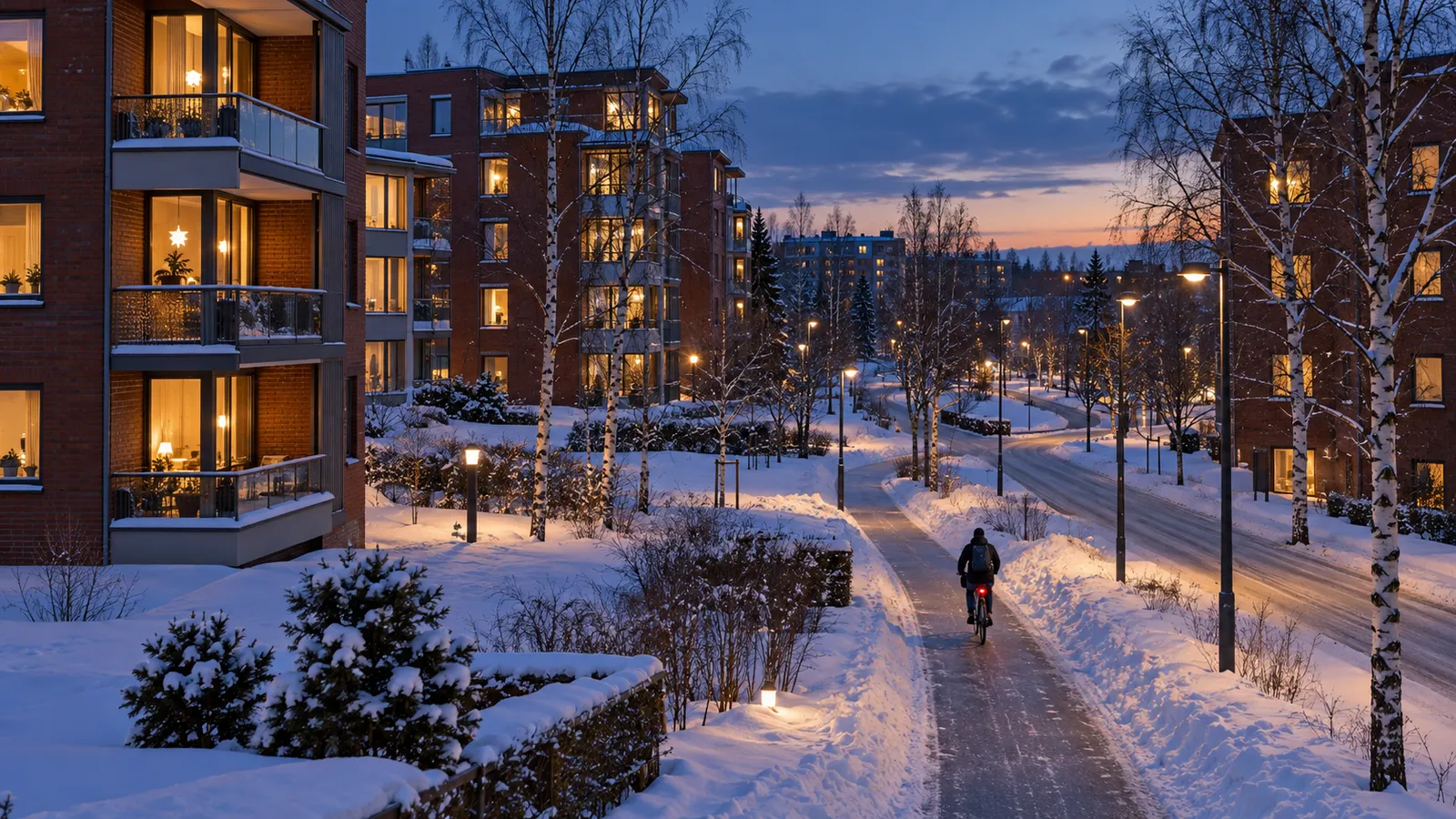
Check that your personal details, address and municipality of residence have been registered. Receiving a Finnish personal identity code does not mean your municipality of residence is automatically registered. You may need your passport, residence permit, proof of studies or employment and family documents where necessary.
Your entitlement to healthcare depends on your circumstances. Check your access to services after arrival. In an emergency, call 112.
🪪 Is Permanent Residence Automatic?
No. The requirements changed on 8 January 2026 and vary by application route. One route requires six years of residence under a continuous residence permit, type A, two years of work history in Finland and B1-level Finnish or Swedish, alongside the other requirements.
Other routes have different conditions: the number of years spent in Finland alone does not qualify you for permanent residence.
Tags
Next step
Turn this guide into your application
Prepare your CV, letters and documents with the El Wijha tools.