
Explore your options in Sweden: study, work and everyday life
Requirements, dates and fees can change. Confirm current details with the official institution or authority.
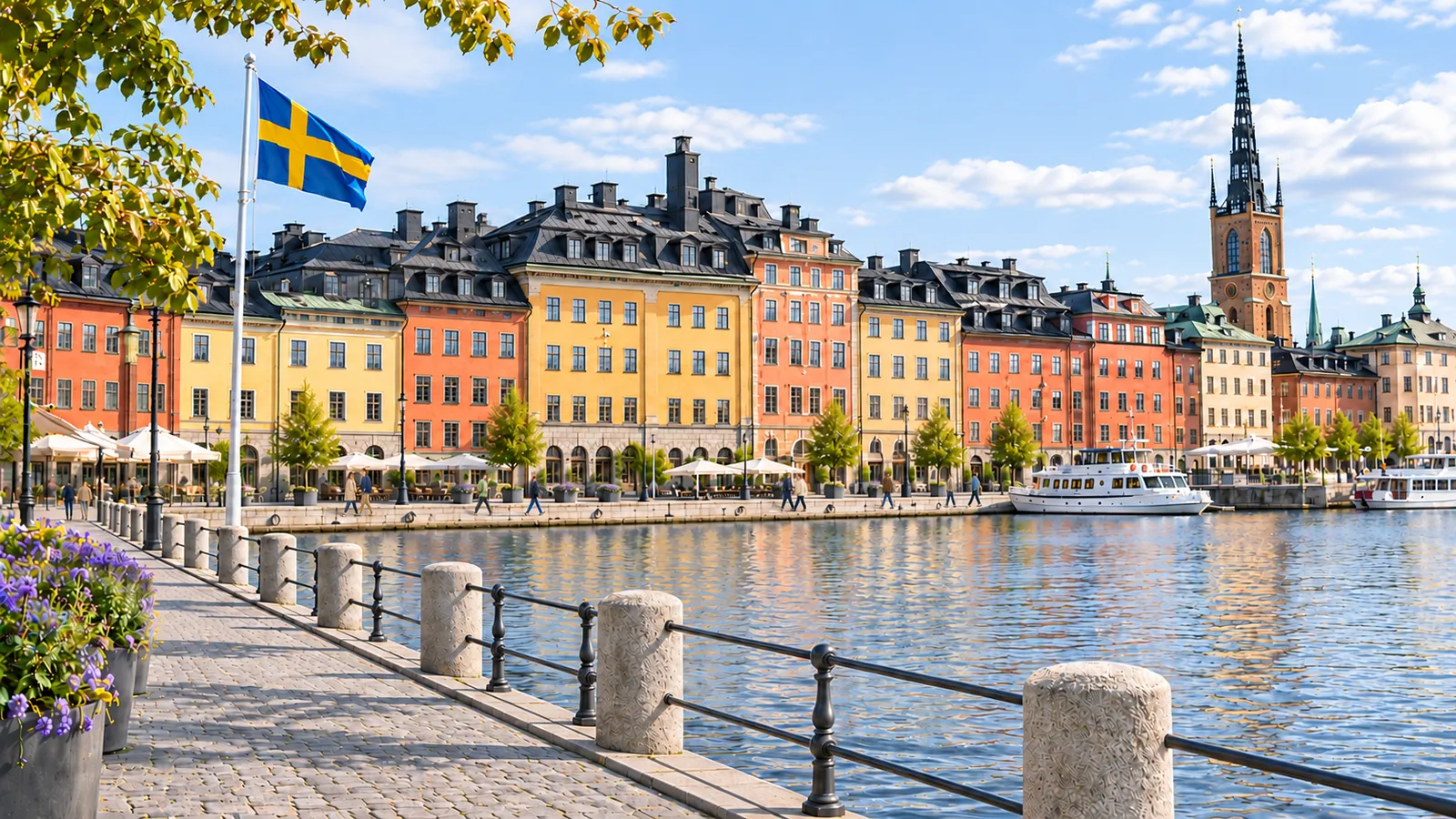
Planning to study or work in Sweden? Start by choosing the route that matches your plans, as residence requirements vary depending on your nationality and reason for moving. Here is the essential information to help you prepare your application and budget.
In this article7
1. Studies and Residence Permits
Choose your programme and university, then check the academic qualifications, language requirements, documents and application deadlines.
Most students from outside the European Union and European Economic Area need a residence permit for studies lasting more than three months. The main requirements include:
A valid passport and final admission to full-time studies.
Studies that require your presence in Sweden.
Sufficient funds to cover living expenses.
Health insurance where required.
Payment of the required tuition fees before applying for the permit, if you are liable to pay them.
University admission does not guarantee a residence permit. Distance learning does not qualify for this study permit.
2. Tuition Fees and Scholarships
Most applicants from outside the EU, EEA and Switzerland must pay application and tuition fees, subject to applicable exemptions.
The application fee is SEK 900 for each semester you apply for. Universities set the tuition fees for their programmes.
Some universities and the Swedish Institute offer scholarships. Check the eligible nationalities and covered expenses: a scholarship may fund tuition alone or include additional costs.
3. Renewing a Student Residence Permit
For students covered by the rules introduced on 11 June 2026, acceptable progress in full-time studies requires 37.5 credits in the first year and 45 credits per year from the second year onwards.
You must also notify the Swedish Migration Agency of your address within 30 days when you receive your permit and when your address changes, unless your population registration has already been completed. Transitional provisions apply to permits granted before that date.
4. Employment and Starting a Business
Most people from outside the EU and EEA need a permit to work. The employment must meet the requirements for salary, working conditions and insurance.
Since 1 June 2026, the general salary threshold for a standard work permit has been 90% of Sweden’s median salary, with exceptions and transitional provisions.
The residence permit for self-employed people requires relevant experience, a credible budget and sufficient funds for the business and living expenses. Applicants must actively run the business and own at least 51% of it.
5. Moving with Family
Eligible family members can apply for residence permits by providing evidence of their relationship and sufficient funds for their maintenance.
Since 1 October 2026, comprehensive health insurance has been required for students’ family members staying for one year or less. When a child is not the joint child of the student and their partner, the accompanying parent must also be the child’s legal guardian.
6. Housing and Healthcare
Budget for rent, food, transport and insurance. Start looking for accommodation early, and verify the landlord and rental agreement before making a payment. Avoid relying on an uncertain future job to fund your move.
A Swedish personal identity number is assigned when you first enter the population register, provided you meet the requirements. It is not automatically issued with a residence permit.
Healthcare costs depend on your registration and medical coverage. Special agreements cover certain countries, including Algeria, but eligibility depends on specific conditions and supporting documents.
7. Frequently Asked Questions
Can students work while studying?
Yes. For bachelor’s and master’s students covered by the new rules, the general limit is 15 hours per week during semesters. This limit does not apply during June, July and August. Exceptions and transitional provisions are available.
Can graduates stay in Sweden after completing their studies?
Eligible graduates can apply for a permit to look for work or explore starting a business after completing a higher education programme lasting at least two semesters and passing all courses.
Applications must be submitted before the student permit expires. Bachelor’s and master’s graduates may receive a permit for up to one year.
Does residence in another European country provide an exemption from university fees?
A residence permit alone is not enough. Exemption depends on citizenship or eligibility under a recognised exemption category.