
From Ambition to Planning: What You Need to Know About Studying and Working in Japan
Requirements, dates and fees can change. Confirm current details with the official institution or authority.
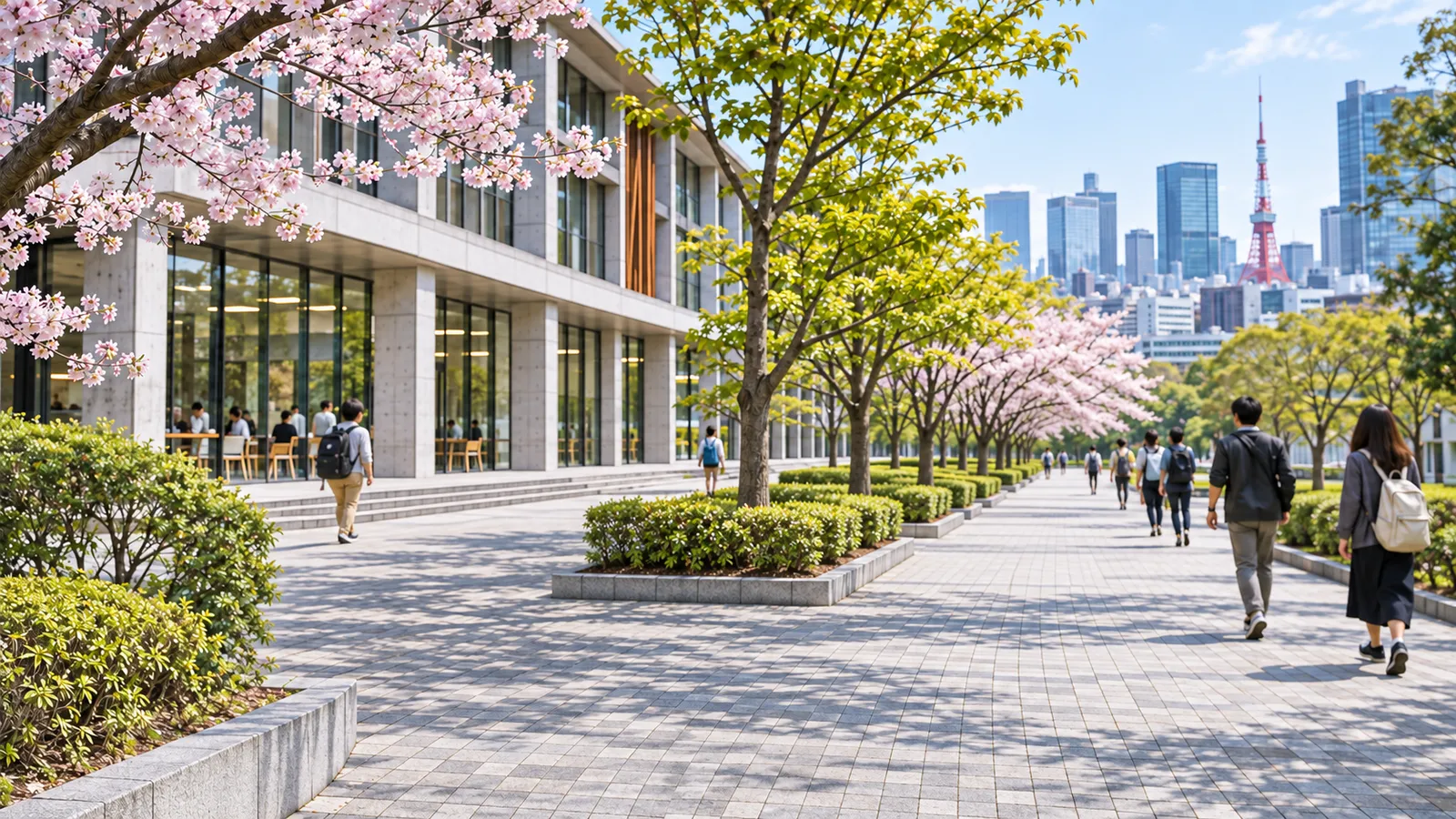
Studying or working in Japan starts with choosing a route that matches your qualifications and budget. Admission, funding and residence requirements vary depending on the institution or job.
In this article4
1. Education and Scholarships
Choose your subject, study level and language of instruction. Then check the institution’s required documents, examinations and application deadlines. Some programmes are taught in English, while others require sufficient Japanese proficiency.
The Japanese Government MEXT Scholarship offers several categories. Depending on the applicable conditions, benefits may include tuition exemption, an allowance and airfare. Eligibility, selection procedures and deadlines vary by application call.
2. Employment and Residence
Working in Japan requires a residence status that permits the intended activity. Your duties and qualifications must meet the requirements of the relevant category.
Routes include engineering, teaching, international services and the Specified Skilled Worker programme. Check language requirements, professional skills and qualification recognition where applicable. Entering Japan as a visitor does not automatically allow you to work.
3. Budget and Health Insurance
Your budget should include tuition, accommodation, food, transport and insurance, together with travel and initial settling-in costs.
The official study portal reports average living expenses of JPY 105,000 per month for international students, excluding study and research costs. This is a statistical average: actual spending varies by city, accommodation and lifestyle.
Health coverage depends on your circumstances. In typical cases covered by National Health Insurance, the scheme pays 70% of eligible treatment costs, while the insured person pays 30%. Services outside the scheme’s coverage must be paid in full.
4. Frequently Asked Questions
Can international students work while studying?
Yes, with the required permission, generally up to 28 hours per week and eight hours per day during long school holidays. Work must not interfere with studies, and employment in adult entertainment establishments is prohibited. Earnings should supplement your budget rather than serve as your sole source of funding.
Does a Certificate of Eligibility guarantee a visa?
No. A COE helps with the application process but guarantees neither visa issuance nor permission to enter Japan.
Can graduates stay to look for work?
Eligible graduates may apply to change their residence status to continue job hunting, subject to specific conditions. This requires an application and is not automatic.