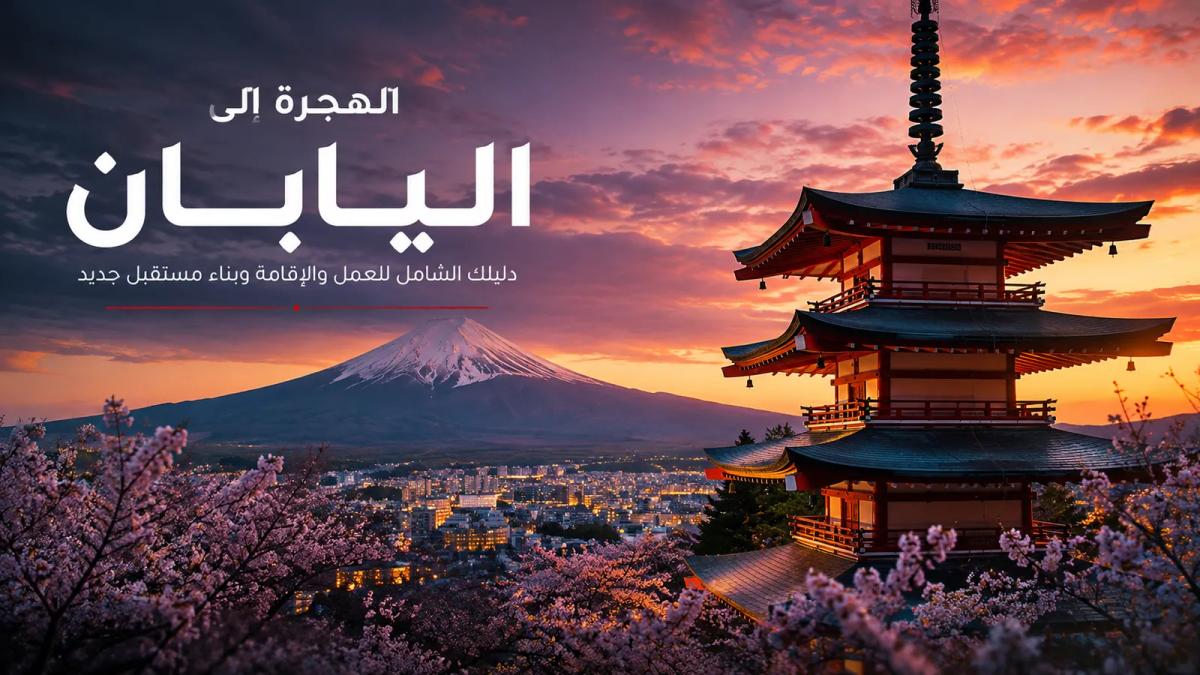
الهجرة إلى اليابان: كل ما تحتاج معرفته عن العمل والإقامة والتأشيرات
- Salma R.
- آخر تحديث 28 أوت 2026
- 7 دقائق قراءة
الفهرس6
تُعرف اليابان بأنها أمة تجمع بين التقاليد العريقة والتكنولوجيا المتطورة والجمال الطبيعي الخلاب، وغالبًا ما تجذب أولئك الذين يبحثون عن آفاق جديدة. إذا كان سحر تاريخ الساموراي ومسلسلات الأنمي والروبوتات المتقدمة يستهويك، فقد تكون اليابان وجهتك المثالية. يقدم هذا الدليل الشامل معلومات أساسية
.حول الهجرة إلى اليابان، وتأمين فرص العمل، والحصول على الإقامة الدائم
تمتد اليابان على مساحة 377,975 كيلومترًا مربعًا عبر أكثر من 6,500 جزيرة في المحيط الهادئ، لتشكل أرخبيلًا فريدًا. 419 جزيرة فقط من هذه الجزر مأهولة، وتُعد هوكايدو، هونشو، شيكوكو، كيوشو، وأوكيناوا الجزر الرئيسية التي تحدد معالمها الجغرافية.
🌍 نظرة عامة على اليابان: حقائق ومعلومات أساسية
عدد السكان: أكثر من 126.8 مليون نسمة. ومن الجدير بالذكر أن اليابان تتمتع بمتوسط عمر مرتفع، حيث يبلغ متوسط عمر النساء 86 عامًا والرجال 79 عامًا، ويعزى ذلك إلى بيئتها الطبيعية وأسلوب الحياة الصحي والمنظم.
الجغرافيا: تغطي الجبال 70% من مساحة اليابان، مما أدى إلى تركز المدن الكبرى في 30% المتبقية من السهول. يساهم هذا في جعل طوكيو واحدة من أكثر عواصم العالم اكتظاظًا بالسكان، حيث يبلغ عدد السكان حوالي 342 شخصًا لكل كيلومتر مربع.
المناخ: تقدم الجزر اليابانية مناخات متنوعة، تتراوح من الظروف شبه القطبية على ارتفاع 3,000 متر إلى البيئات الساحلية الدافئة.
الاقتصاد: تُعد الصناعة ركيزة أساسية للاقتصاد الياباني، حيث تساهم بنحو 10% من الناتج المحلي الإجمالي العالمي، مما يعزز مكانتها ضمن أكبر 5 اقتصادات في العالم وكعضو رئيسي في العديد من المنظمات الاقتصادية الدولية.
العملة: الين الياباني (JPY).
اللغات: اللغة اليابانية هي اللغة الرسمية. ولا تزال لغات السكان الأصليين مثل الأينو والريوكيوان تُستخدم بشكل محدود، مع وجود اختلافات في اللهجات الإقليمية مقارنة بلهجة طوكيو.
الديانات الرئيسية: 67% غير متدينين، 22% بوذيون، 3% شنتو، و2% مسيحيون.
المدن الكبرى: طوكيو، سابورو، كيوتو، يوكوهاما، أوساكا، وناغويا.
✅ إيجابيات وسلبيات الهجرة إلى اليابان
يتضمن قرار الانتقال إلى اليابان الموازنة بين مختلف المزايا والعيوب:
: إيجابيات العيش في اليابان
قائمة
أمان عالٍ: تتميز اليابان بمعدلات جريمة منخفضة بشكل ملحوظ مقارنة بالدول الأخرى.
الضيافة: يُعرف اليابانيون بكرمهم واحترامهم، وهو ما يظهر حتى عند اللقاء الأول.
نظام الرعاية الصحية: نظام الرعاية الصحية شامل، وغير مكلف نسبيًا، ويغطي حتى المقيمين الأجانب غير الشرعيين.
النظافة: يتم الحفاظ على مستوى عالٍ من النظافة في جميع الأماكن العامة والخاصة.
وسائل النقل العام: تُعد وسائل النقل العام في اليابان الأفضل عالميًا، وتضم قطار الشينكانسن (القطار السريع) وشبكات سكك حديدية واسعة تجعل السفر بسيطًا وفعالًا.
إتقان الإنجليزية: يتحدث العديد من اليابانيين اللغة الإنجليزية، كونها مادة إجبارية في المدارس، مما يسهل التواصل على الوافدين الجدد.
جودة التعليم: تحظى الجامعات والمعاهد اليابانية بتقدير كبير، خاصة في مجالات الروبوتات والبحث العلمي، مما يجذب العديد من الطلاب الدوليين.
الثراء الثقافي: يمزج الانسجام بين الحضارة القديمة والمناظر الطبيعية الخلابة بيئة ساحرة.
التميز في الطهي: استمتع بالمطبخ الياباني الرائع، وخاصة المأكولات البحرية الطازجة.
: سلبيات العيش في اليابان
📋 أنواع التأشيرات والإقامة في اليابان
يشير وزارة العمل اليابانية إلى وجود طلب كبير على المهندسين ورجال الأعمال والمديرين التنفيذيين في السنوات الأخيرة. وللحفاظ على مزاياها الاقتصادية، قدمت الحكومة اليابانية مؤخرًا تدابير لتسهيل السياحة والهجرة، لمعالجة انخفاض معدل المواليد وارتفاع شيخوخة السكان. إليك كيفية الإقامة والعمل في اليابان:
الدخول بدون تأشيرة:
يمكن للعديد من مواطني الدول الغربية (أوروبا وأمريكا) الإقامة لمدة تصل إلى 90 يومًا بدون تأشيرة. قد يحتاج مواطنو الدول الأخرى إلى تأشيرة زيارة مؤقتة لنفس المدة.
فئات التأشيرات الرئيسية لليابان:
الخطوات
- 1
تأشيرة الزيارة المؤقتة (حتى 90 يومًا)
للسياحة أو الاتصال التجاري، ويُحظر تمامًا تحقيق أي مكاسب مالية.
- 2
تأشيرة العمل (من سنة إلى 3 سنوات)
تنقسم إلى تأشيرات عمل عادية ورسمية. وهي متاحة عمومًا لمختلف القطاعات، بما في ذلك المستثمرون أو أولئك الذين ترعاهم الشركات اليابانية. يجب على المتقدمين أولاً الحصول على شهادة الأهلية (COE) من مكتب الهجرة الياباني، إما شخصيًا أو من خلال وكالة معتمدة. قد تكون لبعض تأشيرات العمل قيود (مثل العمل في الحانات).
- 3
تأشيرة الأنشطة الثقافية والتدريبية (من 6 أشهر إلى سنة واحدة)
للمشاركة في الأنشطة الثقافية أو الفنية، أو حضور برامج تدريبية دون نية كسب الدخل.
- 4
تأشيرة الطلاب (من 15 إلى 27 شهرًا)
تُصدر للطلاب الدوليين الذين ترعاهم المؤسسات التعليمية مثل الجامعات والمدارس العامة أو مدارس تعليم اللغة.
- 5
تأشيرة الإقامة العائلية (من سنة إلى 3 سنوات)
تُمنح لأزواج وأطفال الأفراد المقيمين في اليابان بتأشيرة عمل.
- 6
تأشيرة الأنشطة المحددة (من سنة إلى 3 سنوات)
للأطفال وأفراد الأسرة حيث يكون أحد الوالدين مواطنًا يابانيًا أو يحمل إقامة دائمة.
- 7
تأشيرة الإقامة طويلة الأمد (من سنة إلى 3 سنوات)
للاجئين، والأفراد الذين لديهم أطفال يابانيون، أو المطلقين من مواطنين يابانيين. يجب على حامليها الحصول على تصريح إعادة الدخول إذا رغبوا في السفر إلى الخارج.
📝 نحو الإقامة الدائمة والجنسية اليابانية
:الإقامة الدائمة
تُمنح الإقامة الدائمة عادة للأفراد الذين أقاموا في اليابان لمدة أقصاها 10 سنوات، بشرط أن يحتفظوا بوضع إقامة ساري المفعول طوال هذه الفترة. كما تُؤخذ مؤهلات وظروف المتقدم في الاعتبار.
:الجنسية اليابانية
تستغرق عملية الحصول على الجنسية اليابانية وقتًا أطول، وقد تستغرق ما يصل إلى 18 شهرًا من تقديم الطلب حتى قرار التجنيس. يجب أن يكون المتقدم قد أقام في اليابان لمدة خمس سنوات متتالية وأن يظهر حسن السلوك. تُجرى فحوصات خلفية للفرد وعائلته، ولكن تاريخيًا، تمت الموافقة على حوالي 99% من طلبات الجنسية.
💰 فرص الاستثمار وبدء الأعمال في اليابان
يحتاج أي شخص مهتم ببدء عمل تجاري خاص به في اليابان عمومًا إلى أن يكون مقيمًا دائمًا، أو قريبًا لأحد المقيمين الدائمين، أو حائزًا على تأشيرة مستثمر/مدير أعمال. تتطلب تأشيرة المستثمر استثمارًا لا يقل عن 5 ملايين ين ياباني (حوالي 50,000 دولار أمريكي) في النشاط التجاري، بالإضافة إلى المستندات الداعمة.
التحديات والمتطلبات لبدء عمل تجاري:
قد يكون إنشاء عمل تجاري من الصفر في اليابان مسعى طويلاً، وقد ينطوي على رسوم كبيرة وتأخيرات في تقديم الطلبات.
المتطلبات العامة لإعداد الأعمال:
إنشاء ختم الشركة.
استخراج شهادة تسجيل الختم.
التسجيل في مكتب الشؤون القانونية بوزارة العدل.
تقديم إخطار ببدء العمل في مكتب الضرائب.
تقديم المعلومات المتعلقة بتأمين العمل ومعايير التوظيف إلى مكتب العمل.
تقديم طلبات التأمين الصحي ومعاشات الرعاية الاجتماعية إلى خدمة المعاشات التقاعدية اليابانية.
تقديم تأمين العمل إلى مكتب التوظيف العام.
نصيحة هامة: قبل الشروع في أي عمل تجاري، من الضروري دراسة نظام الضرائب الياباني بدقة. قد لا تناسب الاختلافات في الضرائب والرسوم المفروضة على أصحاب الأعمال الأجانب والمحليين الجميع.
بينما قد تبدو اليابان وجهة بعيدة ومعقدة للهجرة، فإن حاجتها الاقتصادية للعمال الشباب والمهارة تجعل اقتصادها غنيًا بالفرص. علاوة على ذلك، تظل وجهة سياحية استثنائية تستحق أن تكون على قائمة أي مسافر.
❓ أسئلة متكررة حول الهجرة إلى اليابان
هل اللغة الإنجليزية منتشرة على نطاق واسع في اليابان للحياة اليومية؟
بينما يتحدث العديد من اليابانيين، وخاصة الأجيال الشابة، اللغة الإنجليزية لكونها مادة دراسية إلزامية، فإن إتقان اللغة اليابانية أمر حاسم للاندماج الاجتماعي والمهني الكامل بما يتجاوز التفاعلات الأساسية.ما هي أكثر المهن طلبًا للمهاجرين في اليابان؟
وفقًا لوزارة العمل اليابانية، فإن المهندسين ورجال الأعمال والمديرين التنفيذيين مطلوبون باستمرار.كم يستغرق عادة الحصول على الجنسية اليابانية؟
يمكن أن تستغرق عملية الحصول على الجنسية اليابانية ما يصل إلى 18 شهرًا من تقديم الطلب، بعد استيفاء شرط الإقامة لمدة 5 سنوات متتالية وإظهار حسن السلوك.
استكشف الفرص المتنوعة المتاحة في اليابان ودول شرق آسيا الأخرى. لا تتردد في التسجيل على منصة ElWijha لتصلك جميع مقالاتنا وأدلتنا الثاقبة.
الوسوم
الخطوة التالية
حوّل هذا الدليل إلى طلب ترشح
حضّر سيرتك الذاتية ورسائلك ووثائقك بأدوات El Wijha.